


National Trust Urges Visitors to Think Twice Before Heading to Formby Beach This Summer
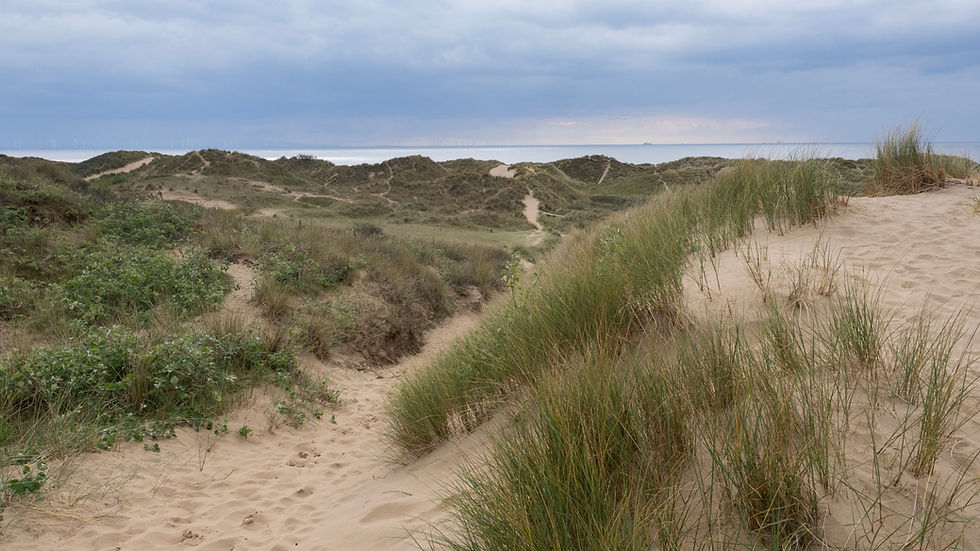
The National Trust is encouraging everyone thinking of visiting Formby during the summer holidays to plan ahead and carefully consider whether this rugged, natural conservation area is the right destination for the traditional seaside day out they are looking for.
Formby is undoubtedly one of the most beautiful and special places on the North West coast, attracting thousands of visitors during warm and sunny weather. But the National Trust is reminding people that this is not a traditional seaside resort. Parking is extremely limited, facilities are basic and reaching the beach involves a long and scenic walk through woodland and across sand dunes.
The advice comes as the conservation charity shares everything visitors need to know before heading to Formby Beach this summer, including important information about parking, facilities, walking distances, tides, wildlife and the changes visitors can expect following last year’s major sand dune restoration project.
A wild and legally protected conservation area…
Formby forms part of the Sefton Coast, one of the largest sand dune systems in England and a legally protected Site of Special Scientific Interest (SSSI).
The dunes naturally shift throughout the year, creating an ever-changing landscape and providing an important haven for rare wildlife, including natterjack toads, sand lizards, red squirrels and northern dune tiger beetles.


It’s no surprise that so many people are drawn to this extraordinary place, particularly during hot and sunny weather. However, with its wild and natural setting, limited parking, basic facilities and long walks through woodland and dunes to reach the beach, Formby offers a very different experience from a traditional day at the seaside.
Expect queues and full car parks on busy summer days…
Like many popular coastal destinations, visitor numbers at Formby increase significantly during the summer.
On the busiest days, this can result in long traffic queues and full car parks. The surrounding area is residential, with parking restrictions and fines enforced by Sefton Council.

Parking outside designated areas can cause serious disruption to the local community and, most importantly, can block vital access for emergency services.
Planning ahead, choosing a coastal destination that suits your needs and visiting during quieter periods can help ensure a much more relaxed and enjoyable trip to the seaside this summer.
No car park next to the beach at Victoria Road…
Amy Peacock, Operations Manager for National Trust places in the Liverpool City Region, said:
“Formby is a wild, natural and legally protected conservation area. This means the parking and facilities we can offer here are limited. We have two relatively small car parks that fill up very quickly on busy days. They’re tucked away inland away from where the dunes will continue to roll back naturally over time. There is also no longer a car park next to the beach at Victoria Road due to our major sand dune restoration project.”

“It’s worth noting that reaching the beach involves walking through the woodlands and over the dunes, which can feel a bit of an adventure, especially for little legs and when carrying all the usual seaside essentials.”
“For people seeking a traditional seaside experience with quick access and a wide range of amenities, we recommend considering alternative beaches along the North West coast that offer more comfort and convenience.”
Visitors asked to help protect Formby’s wildlife…
The National Trust is also appealing to everyone to play their part in protecting Formby’s rare wildlife and keeping people safe.
Visitors are reminded that fires and barbecues must not be lit anywhere on the site or anywhere along the Sefton Coast, helping to prevent potentially devastating wildfires.
Everyone is also asked to take their litter home so it does not harm the wildlife living at Formby or get washed out to sea.
Justin Matthews, Lead Ranger for National Trust places in the Liverpool City Region, said:
“Beyond the parasols and sandcastles, you’ll find a place that’s home to one of Europe’s most important sand dune habitats where lots of rare wildlife lives. Our conservation work here focuses on restoring natural processes, reconnecting habitats, increasing the variety of native plants and wildlife as well as building a more resilient coastline for both wildlife and people.
“We want everyone to be able to enjoy this special place, now and in the future, and by planning ahead and being mindful of Formby’s wonderful wildlife, people can play an important part in helping us to protect it.”
Top tips for visiting Formby this summer…
• Formby’s natural beauty is best enjoyed on quieter days.
• Visitor numbers soar during hot and sunny weather, while parking remains extremely limited.
• The surrounding area is residential, with parking restrictions and fines enforced by Sefton Council.
• Travel by Merseyrail train if you can.
• Check the National Trust Formby Facebook page for live parking updates before setting off.
• Look out for CAR PARKS FULL messages on digital signs along Formby Bypass.
• Download the JustPark app for a quick and convenient way to pay for parking.
• Pack light. It’s a fairly long walk to the beach through woodland and across the dunes.
• Bring a bag for your litter and take everything home with you. Bins are available in the car parks only.
• Head to Lifeboat Road, L37 2EB, for boardwalk access to the beach.

• RNLI lifeguards are on duty at Lifeboat Road every day from 10am until 6pm throughout the summer.
• Check tide times before visiting, as there is often very little beach remaining at high tide.
• Watch out for jellyfish in the sea and ticks in grassy areas.
• Fires and barbecues are not permitted anywhere along the Sefton Coast.
• In an emergency on the beach or along the coast, call 999 and ask for the Coastguard.
Ten fascinating facts you might not know about Formby…
1. The National Trust has cared for this special landscape since 1967, with Lifeboat Road coming into its care in 2017.
2. The National Trust site at Formby is the equivalent of approximately 700 football pitches in size.
3. Formby forms part of the legally protected Sefton Coast Site of Special Scientific Interest (SSSI).
4. Areas of Formby’s shifting dunes naturally roll inland by up to four metres every year, creating special and constantly evolving habitats for wildlife.
5. The world’s first permanent lifeboat station was located at Formby and was built in the early 1770s. Today, only its brick foundations remain due to coastal change.
6. Prehistoric footprints dating as far back as 8,000 BC can sometimes be discovered in sediment beds on Formby Beach.
7. More than 800 species of moth have been recorded at National Trust Formby, with 27 of them appearing on the nationally scarce list.
8. Formby is home to one of the rarest and fastest beetles in the world — the northern dune tiger beetle.
9. Approximately 40% of the UK’s entire natterjack toad population can be found along the Sefton Coast.
10. Formby is one of the few places in the UK where both rare sand lizards and red squirrels are thriving.
About the National Trust…
The National Trust is an independent conservation charity founded in 1895 by three people — Octavia Hill, Sir Robert Hunter and Hardwicke Rawnsley — who recognised the importance of protecting the nation’s heritage and open spaces for everyone to enjoy.
Today, across England, Wales and Northern Ireland, the charity continues to look after places where people and nature can thrive.
The National Trust cares for more than 250,000 hectares of countryside, 780 miles of coastline, one million collection items and 500 historic properties, gardens and nature reserves.
In January 2025, the National Trust marked its 130th birthday by launching its new ten-year strategy, People and Nature Thriving, which will guide the charity’s work and direction from 2025 to 2035 and beyond.
The strategy focuses on three key goals:
• Restore nature
• End unequal access to nature, beauty and history
• Inspire more people to care and take action
The plans followed the largest public consultation ever undertaken by the National Trust, with more than 70,000 people — including members, volunteers and industry partners — sharing their views on the charity’s work and future direction.
Plan ahead before travelling to Formby…
The message from the National Trust is clear: Formby is an extraordinary and beautiful place, but it is a wild, natural and legally protected conservation area rather than a traditional seaside resort.
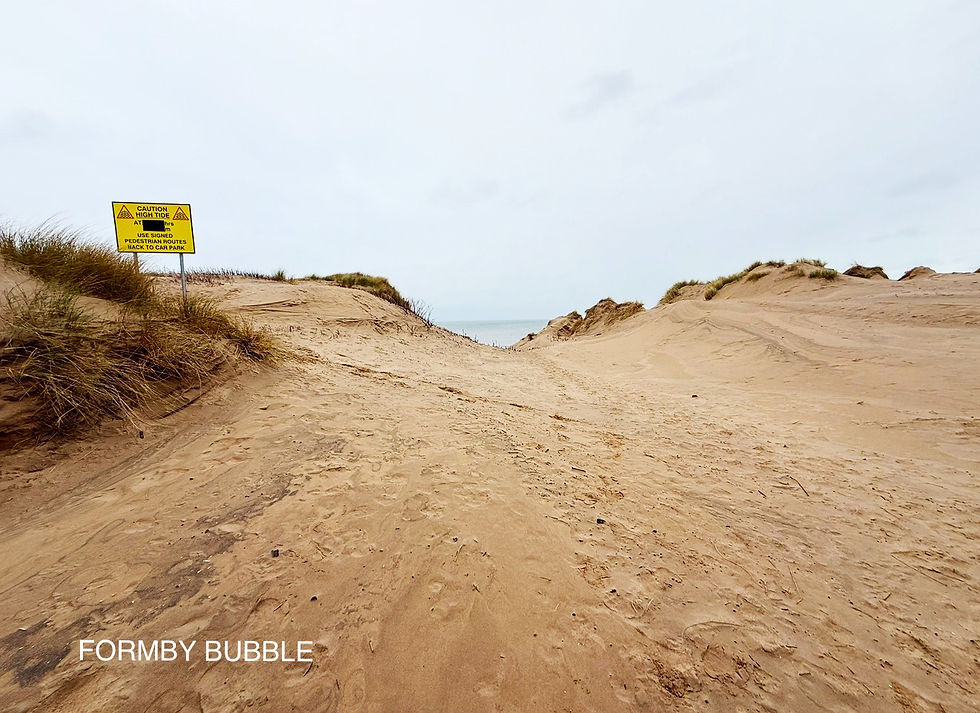
Visitors are encouraged to plan ahead, travel by train wherever possible, check live parking updates and tide times before setting off, pack light, take all litter home and respect Formby’s rare wildlife and surrounding residential community.
By making informed choices before travelling and treating this remarkable coastline with care, everyone can play their part in ensuring Formby remains a special place for wildlife, local residents and future generations.
For more information about planning a visit to Formby, visit the National Trust’s official Formby visitor information page.
Find out more about planning a visit to Formby: https://www.nationaltrust.org.uk/visit/liverpool-lancashire/formby/planning-your-visit-to-formby
Find out more about alternative beach parking along the Sefton Coast here.


.jpg)


Comments